
Narrow it down
Pick a type
Each type has its own page, filters and sorting, so the list you compare stays short.
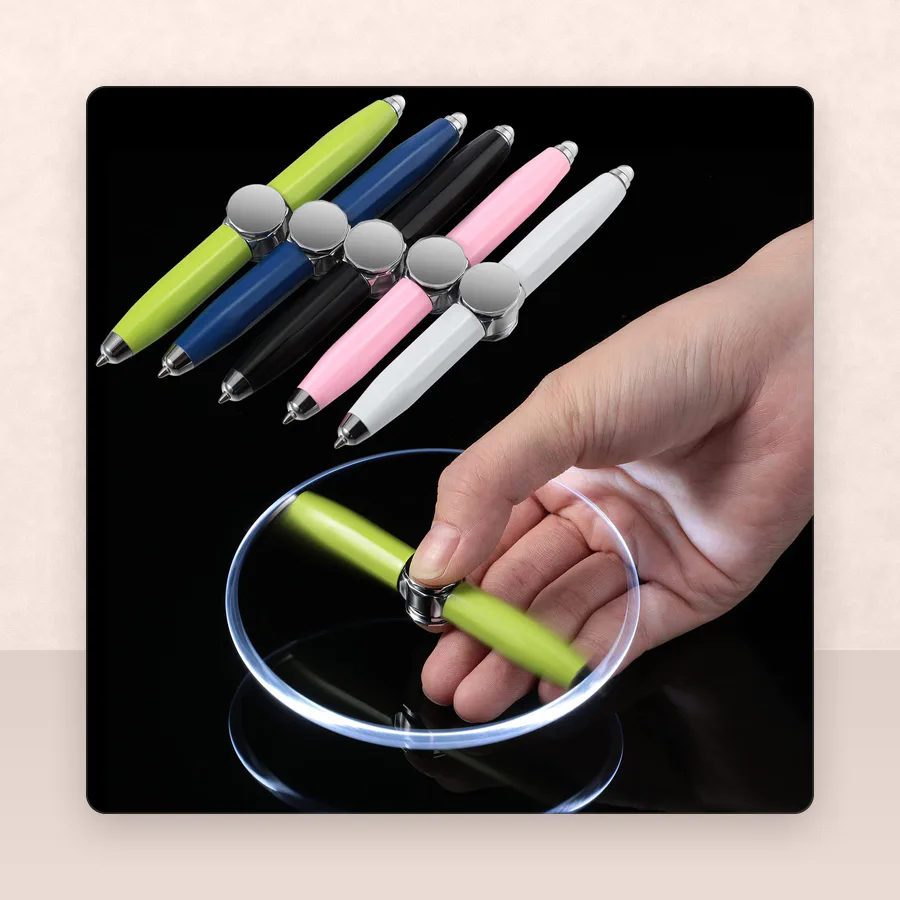
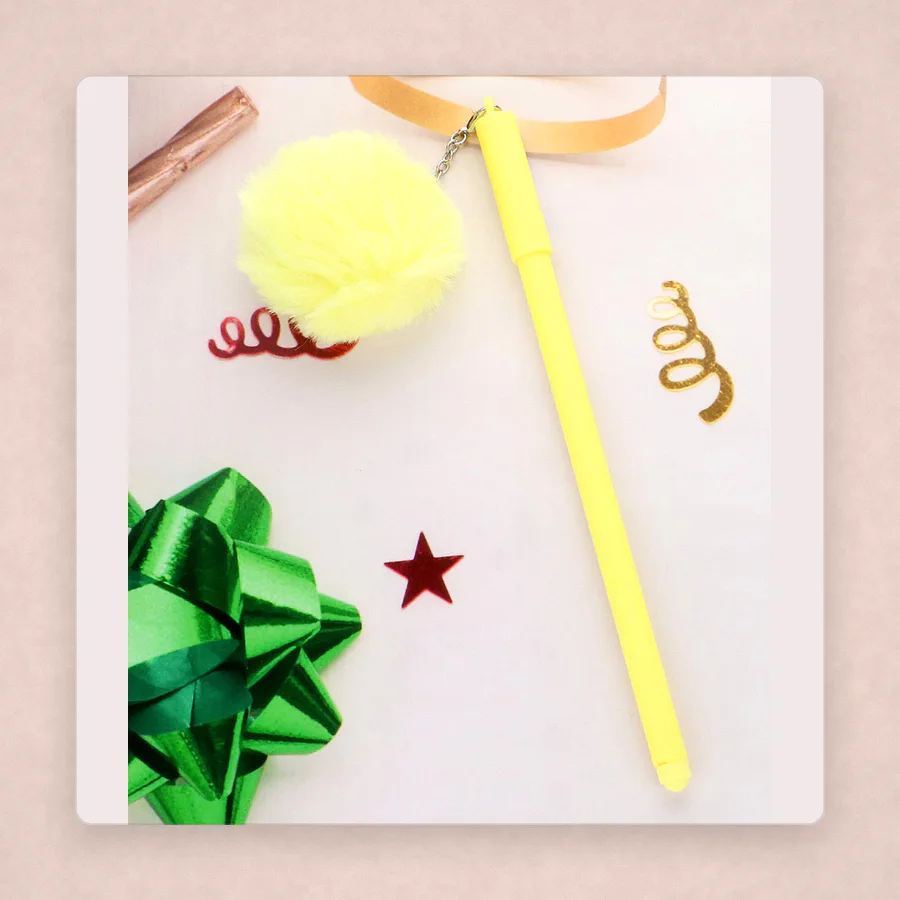
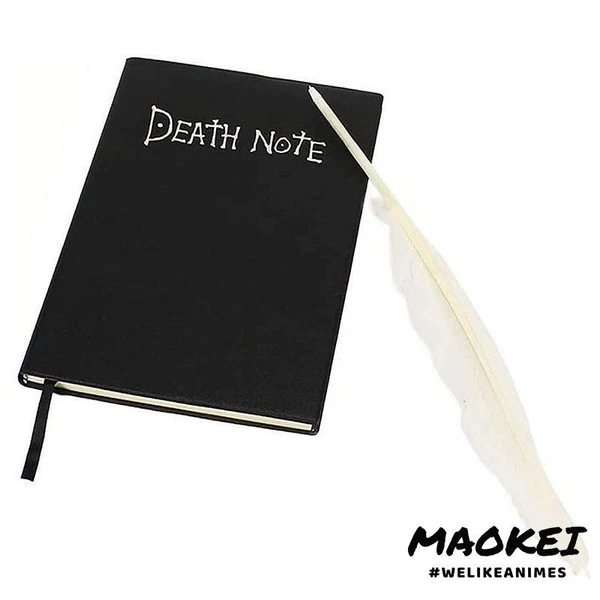
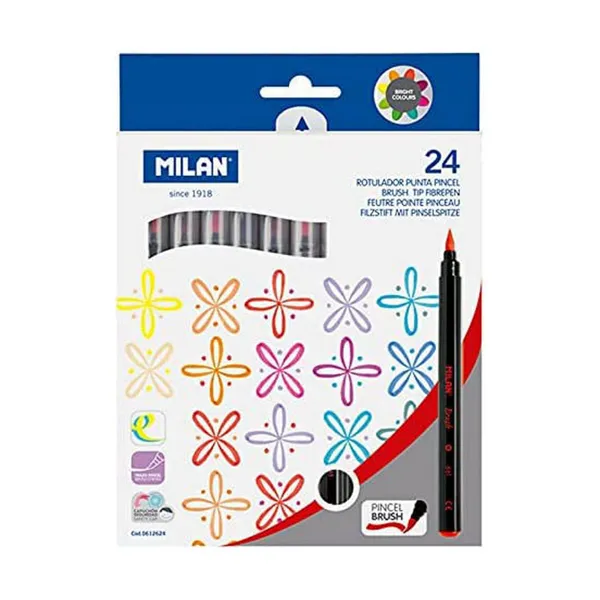
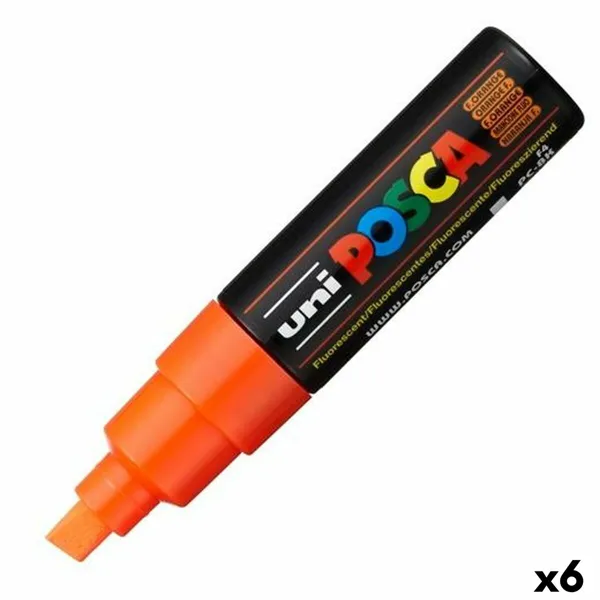
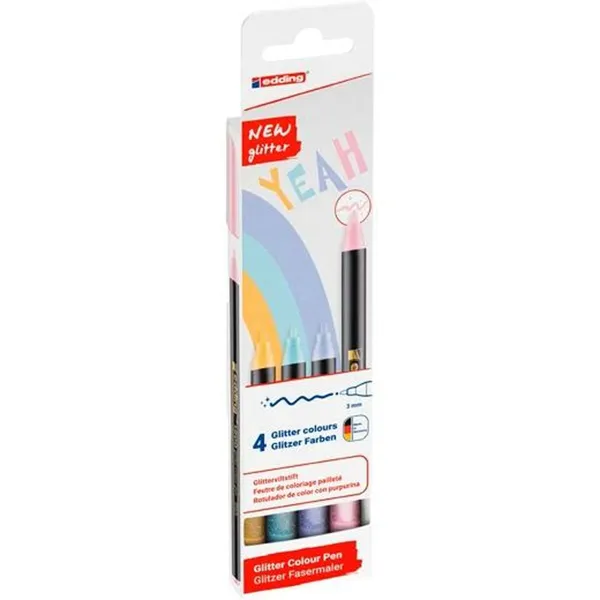

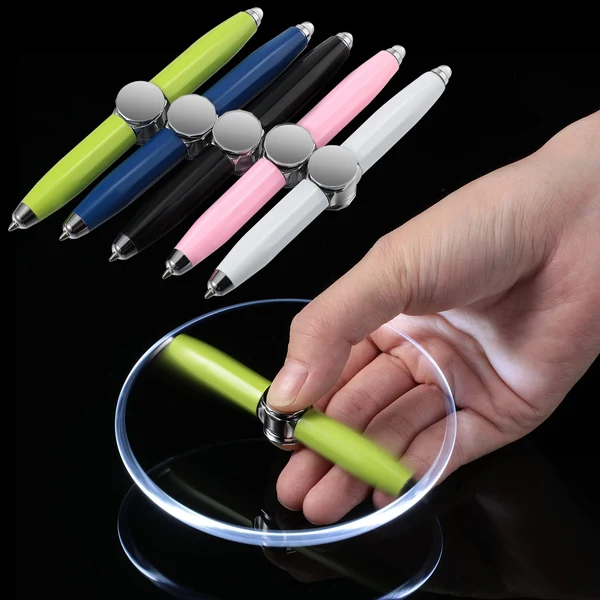
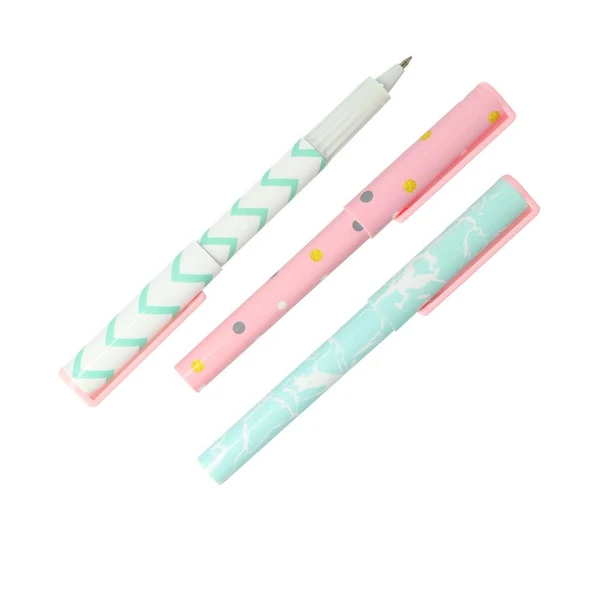
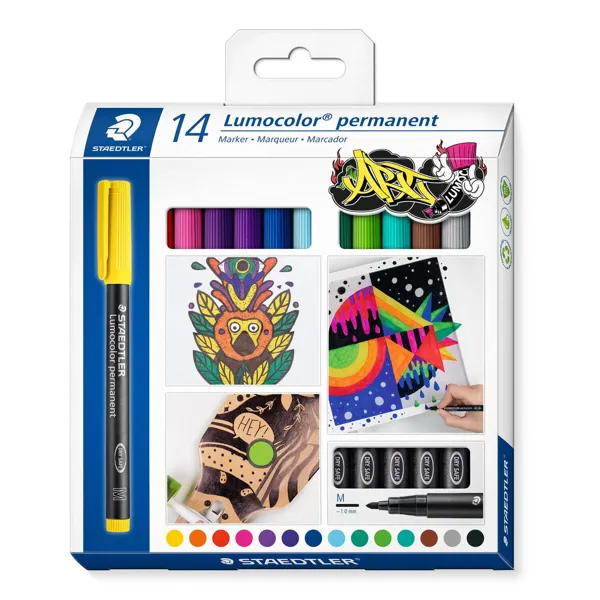
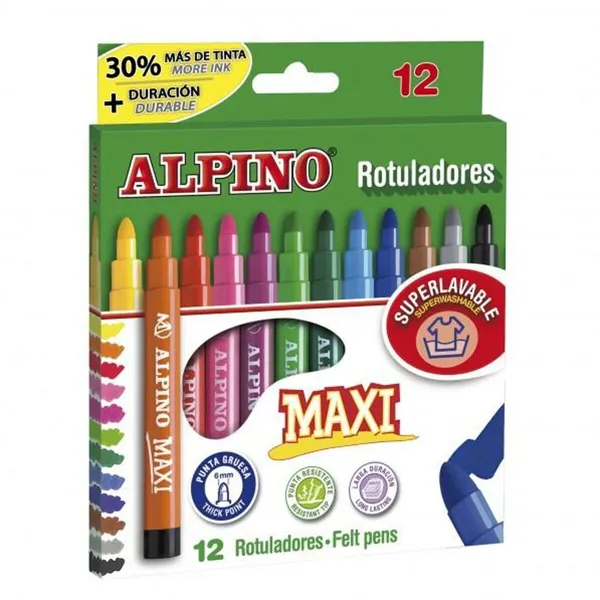
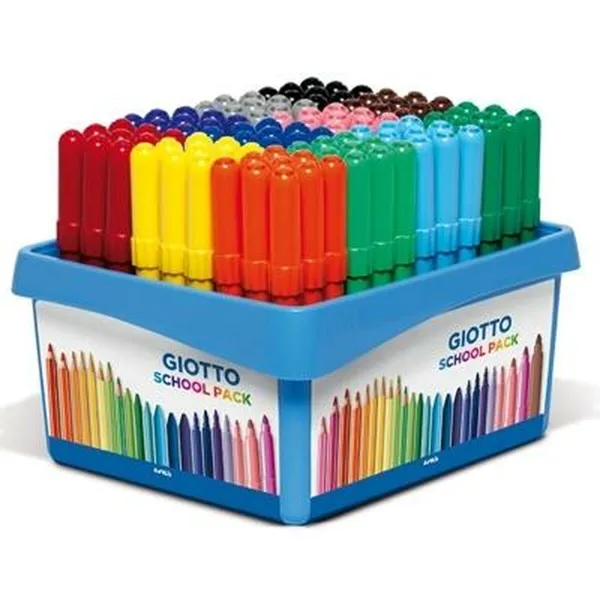
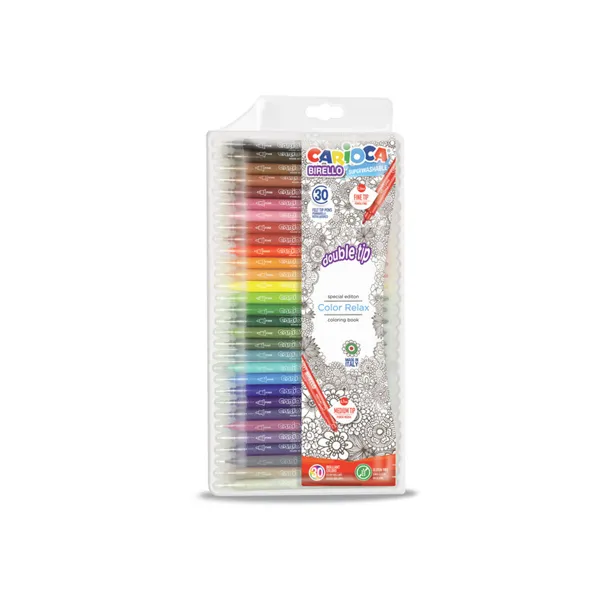
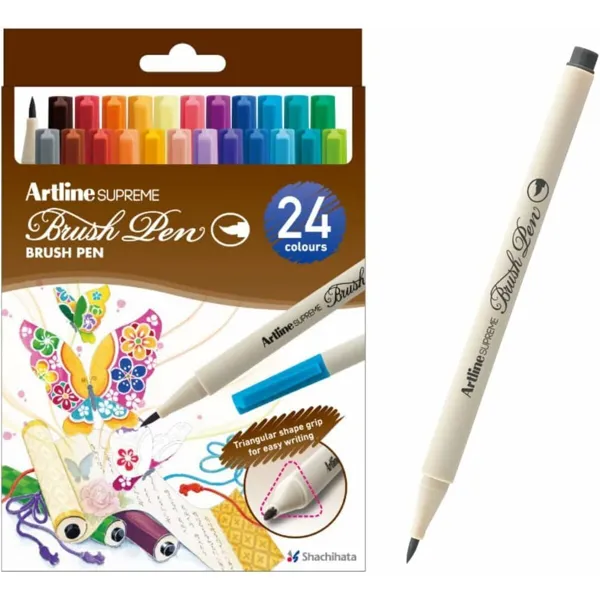
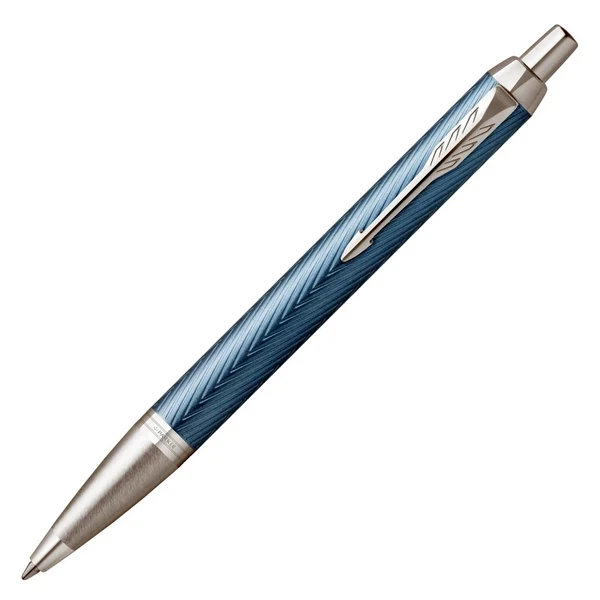
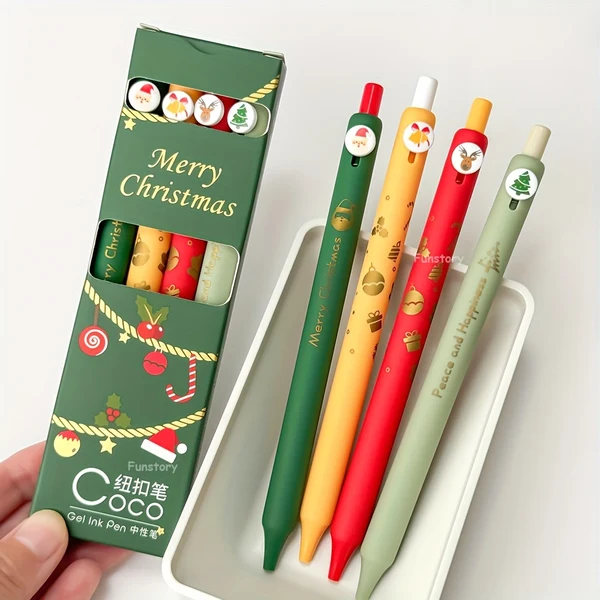
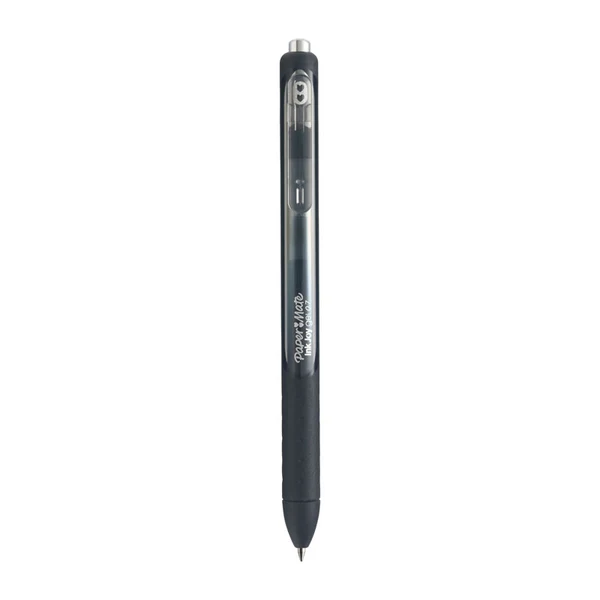
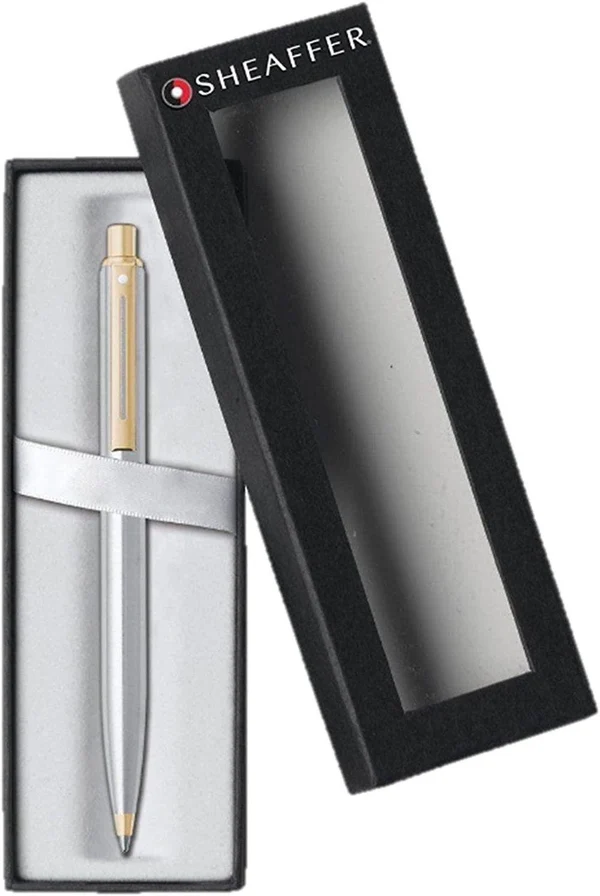
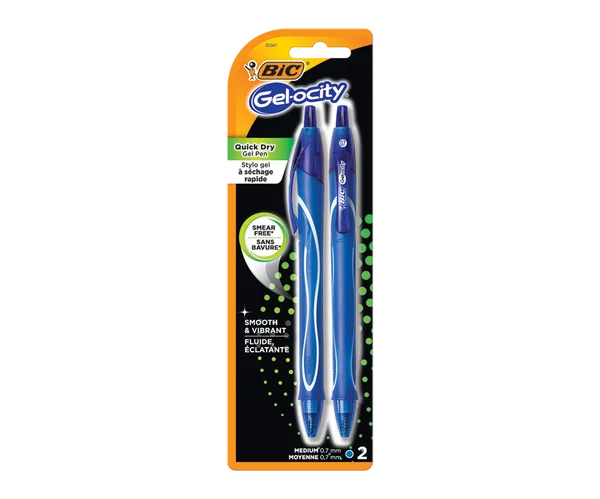
How to choose
- Paper weight: Thicker sheets help reduce bleed-through when writing with felt-tip pens, markers or highlighters.
- Look closely at small details such as edges, seams, joins or fastenings; they show how carefully something is made.
- Check measurements against your space or the person it is for, not the size name alone.
- Check how it is put together: clean joins and neat finishing are good signs of careful making.
Frequently asked questions
Can pens and writing instruments handle everyday use?
Whether pens and writing instruments can handle daily use depends on material and construction; for frequent use, look for sturdy builds and finishes that are easy to care for.
How do the main types of pens and writing instruments differ?
Types of pens and writing instruments differ in shape, size, material and the job they are designed for, so compare them on those points rather than on the name alone.
What should I check when replacing pens and writing instruments?
When replacing pens and writing instruments, note what worked and what did not with what you had before, then use that as a checklist for size, material and finish.
How do I choose the right size of pens and writing instruments?
Measure the space, or something similar you already own, and compare that with the stated dimensions of pens and writing instruments rather than with size names, which vary between makers.